
Learn how to integrate Excel files into SEI or SQL databases, using ODBC technology to combine Excel data with ERP...
Latest posts
-
 Integrating Excel Files into SEI and SQL for Global Reporting via ODBCRead more
 -
 VAT Simulation Before Invoice Generation in Sage X3Read more
Learn how to simulate VAT in Sage X3 before generating an invoice, enabling accurate financial forecasts that include...
-
 Optimizing Imports in Sage X3 with Multithread Batch ProcessingRead more
Learn how to optimize imports in Sage X3 with multithread batch processing by parallelizing tasks to reduce execution...
-
 Document Download in Sage X3 Using 4GL LanguageRead more
Explore a method for Sage X3 developers to enhance user experience by simplifying document downloads from the server...
-
 In-Depth Exploration of the New Container Management Feature in Sage X3Read more
Discover the revolutionary Container Management feature in Sage X3. Enhance operational efficiency and traceability...
-
 EXEC_JS / streamline.js / Sage X3 Syracuse Javascript bundlesRead more
Sage X3: Overcoming Limitations with the Bridge between 4GL and JavaScript Sage X3 4GL can sometimes encounter...
-
 Capturing Detailed Errors After a Silent Import in Sage X3Read more
Discover how to effectively capture detailed errors after performing a silent import in Sage X3. Learn methods to...
-
 How to connect an external database in Sage Enterprise Intelligence with an identifier containing a dot ?Read more
Learn how to address issues with special characters in database identifiers when using Sage Enterprise Intelligence....
-
 Exploring the ATEXTRA Table for Storing Translated Text in ApplicationsRead more
Dive into the ATEXTRA table, a crucial tool for storing translated text within applications. Discover how it manages...
-
 Troubleshooting Sage X3 Folder Validation ErrorsRead more
Learn about common validation errors when creating or importing folders in Sage X3 and how to resolve them.
Blog categories
Search in blog
How to connect an external database in Sage Enterprise Intelligence with an identifier containing a dot ?
Handling Database Identifiers with Dots in Sage Enterprise Intelligence
Sometimes, databases contain special characters like dots in their identifier names. This can lead to challenges, particularly when working with Sage Enterprise Intelligence (SEI). In SEI, certain special characters might not be handled well. Here's a workaround to address this issue:
The Problem:
Sage Enterprise Intelligence doesn't handle identifiers containing dots well, and using double quotation marks or brackets can lead to confusion between schema names and identifier parts.
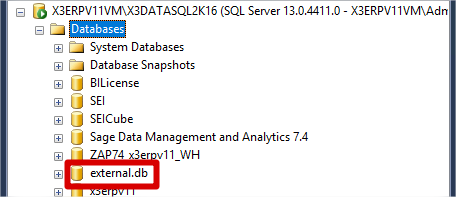
The Solution:
The workaround involves utilizing SQL Server's views:
- Create a new database identifier without special characters:
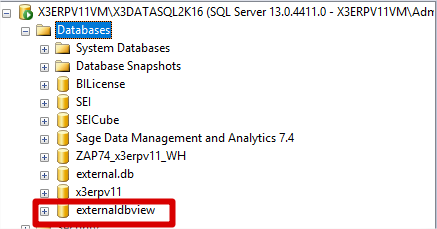
- In this new database, create a view based on the original database's table:
CREATE VIEW Example_Table_Threw_View AS
SELECT * FROM [external.db].dbo.Example;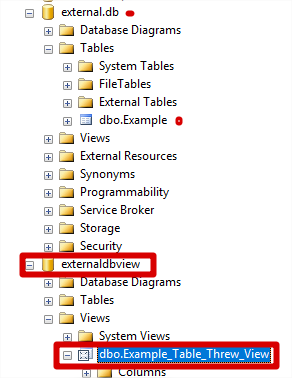
- Connect the new database identifier as a new data source in SEI:
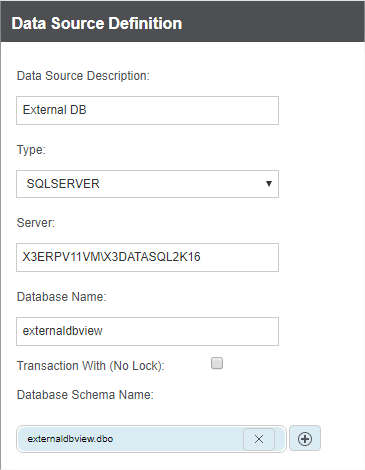
Testing the Solution:
Finally, verify the functionality using a simple process:
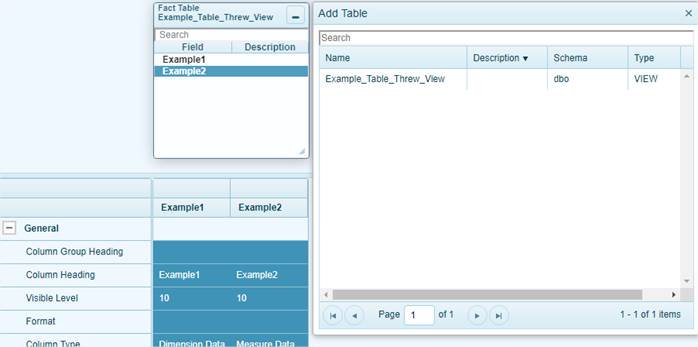
By creating a view in a new database with a conventional identifier, you can overcome SEI's limitations in handling special characters. This workaround offers a clean and effective way to work with database identifiers containing dots.
Posted in:
Sage Enterprise Intelligence
Related posts
-
Integrating Excel Files into SEI and SQL for Global Reporting via ODBC
Learn how to integrate Excel files into SEI or SQL databases, using ODBC technology to combine Excel data with ERP...Read more
Leave a comment